Fishing with Otters in Greater Sundarbans Region
1 Day
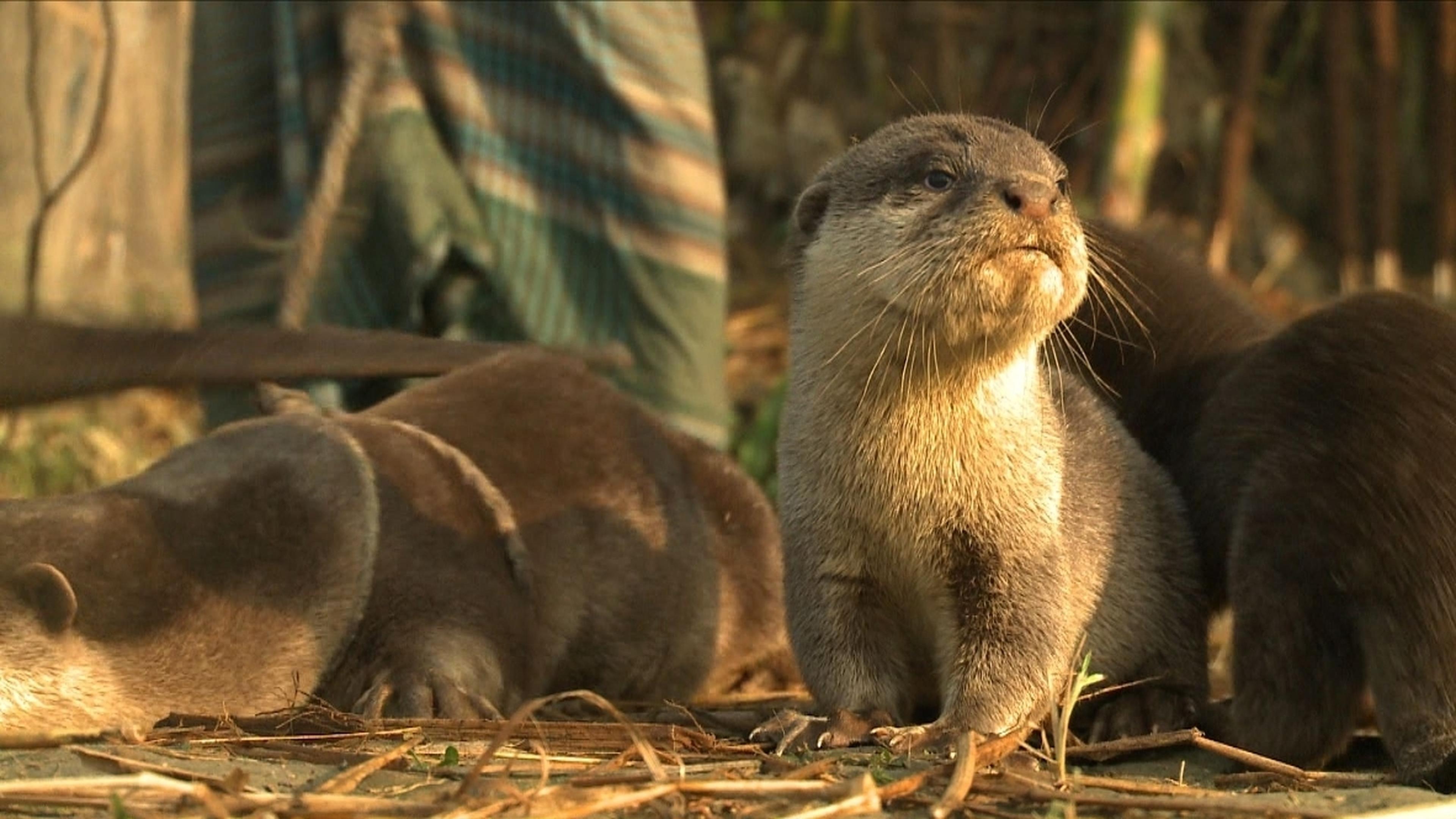
Otter fishing is a fascinating technique still practiced and passed down from generation to generation by many locals in the Sundarbans. Witnessing local fishermen's unique and skilled techniques (and their otters) is a mesmerizing activity that anyone can enjoy. This traditional practice has its earliest records dating back to the Tang dynasty (619-907), originating in the Yangtze region of China. Fishermen have practiced otter fishing in various parts of the world, including Europe, Asia, and Central and South America, since the 6th century. In India, otter fishing occurs in the Indus and Ganges River basins in Bengal and the Southern regions. In Bangladesh, this fishing technique has been used for the last two centuries in the Sundarbans, Khulna, and Narail districts.
How It Works:
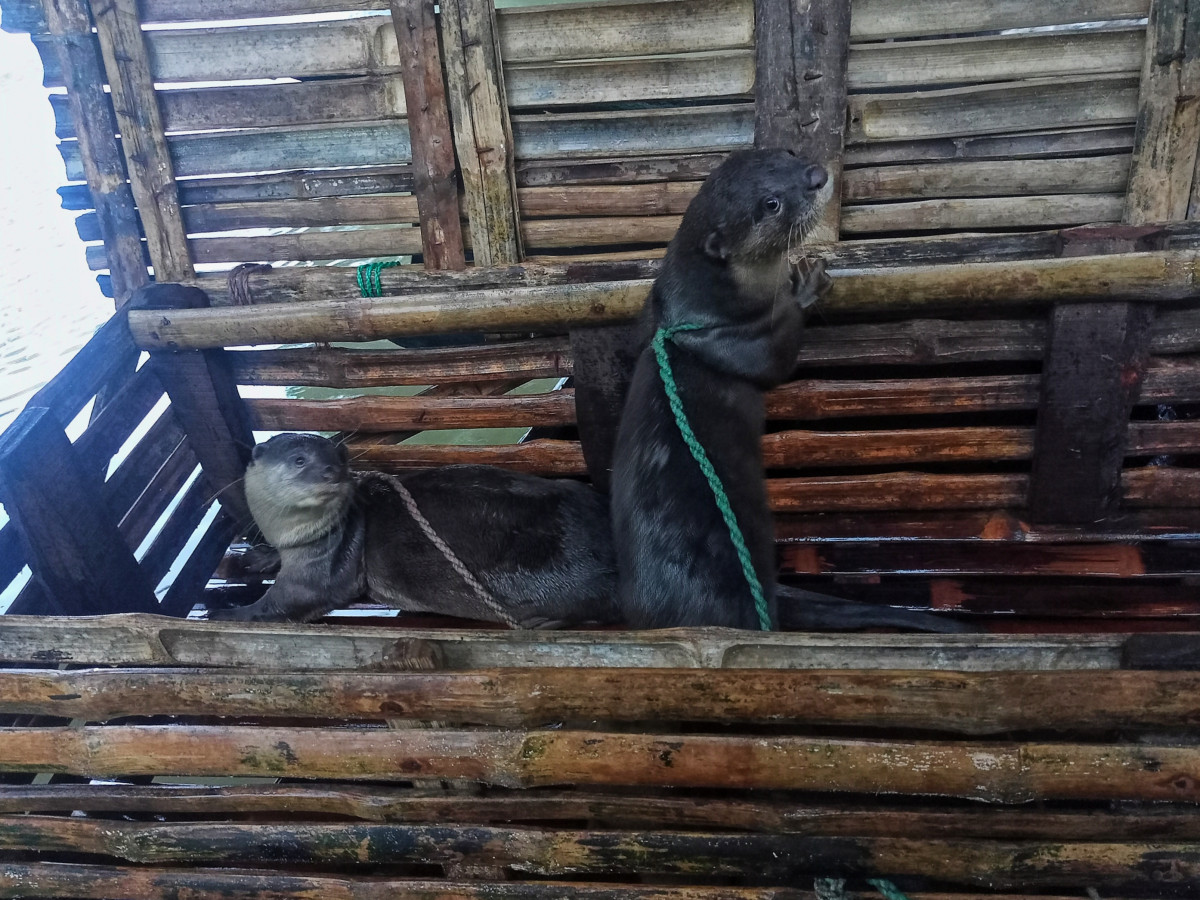
This unique method, known as "otter fishing" or "fishing with trained otters," involves the collaboration between local fishermen and trained otters.
- Training Otters: Fishermen capture parent otters from the wild and breed. Then juvenile otters are trained to assist in fishing. The training process is often lengthy and requires a strong bond between the fisherman and the otter. The otters learn to drive fish towards the nets without harming them.
- Fishing Process: A group of fishermen typically use a wooden boat with a net. They release the otters into the water, where they swim around the boat, herding fish toward the net. The otters do not catch the fish themselves but guide them, making it easier for the fishermen to collect a larger catch.
Cultural Significance & Conservation Concerns:
Otter fishing is not just a livelihood but also a cultural heritage in the region. It reflects the harmonious relationship between humans and animals, showcasing a unique way of utilizing natural resources sustainably. However, with modern fishing techniques becoming more prevalent, otter fishing is becoming less common, and efforts are being made to preserve this tradition.
While this practice is fascinating and has been a part of local culture for generations, it has raised concerns among conservationists. The capture and training of wild otters can negatively impact their population, and there is an ongoing discussion about balancing tradition with conservation efforts.
About
Day Trip to Experience Otter Fishing in Narail
7:00 AM – Pick-up from Your Hotel
- Departure Point: Your hotel or a designated meeting spot in Khulna/Jashore/ Bagerhat.
- Transport: Private car or minivan.
- Duration: Approximately 2.0 hours to Narail (depending on traffic and road conditions).
- Breakfast: Enjoy a packed breakfast en route or stop at a roadside restaurant for traditional Bengali breakfast items like parathas, bhaji, and tea.
9:00 AM – Arrival in Narail
- Destination: Arrive at a local fishing village near the Chitra River, where otter fishing is practiced.
- Welcome: Meet the local fishermen and their trained otters. Learn about the history and significance of this unique fishing method.
9:30 AM – Otter Fishing Experience
- Activity: Board a traditional wooden boat with the fishermen. Observe how the trained otters are released into the water and guide the fish towards the nets.
- Duration: 2.0 to 2.5 hours.
- Interaction: Participate in the fishing process, if possible, and take photos. The fishermen will explain how they train the otters and how they work together to catch fish.
12:30 PM – Lunch at a Local Village
- Location: A nearby village.
- Meal: Enjoy a traditional Bengali lunch, including freshly caught fish, rice, dal, and vegetables.
- Cultural Exchange: Spend some time with the villagers, learning about their way of life and their connection to the river and otters.
2:00 PM – Explore the Surroundings
- Activity: Take a short walk around the village and along the riverbank. Experience the rural lifestyle of Bangladesh, visit a local market, or explore nearby fields and landscapes.
- Optional: Visit a local handicrafts center to see traditional weaving or pottery.
3:30 PM – Return Journey to Khulna
- Departure: Begin your journey back to Khulna.
- Duration: Approximately 3.5 to 4 hours.
5:30 PM – Arrival in Khulna
- Drop-off: Return to your hotel or designated drop-off point.
Map View
Sundarban, CHHR+64C, Bangladesh
About The Host

Service shall be provided by the local community people through GSETS